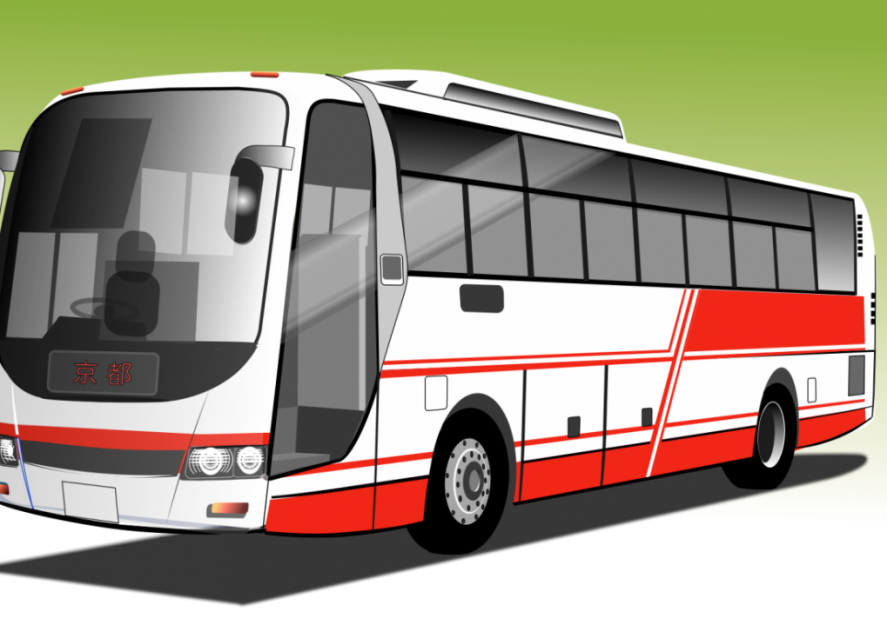
2017年にTOKYO FMを中心とした全国ネットのバス旅情報番組「バス旅スト presented by ウェルネット」がスタートしました。fm放送あるいはradikoを通じて全国各地で聴く事が可能で、ラジオの人気が復活してきた中で、この番組はバス旅の人気アップに大きく貢献しています。そんな「バス旅スト」は一体どんな番組で、バス旅に役立つ関連アプリとはどんなものなのでしょうか?
「バス旅スト presented by ウェルネット」とはどんな番組?
現在、ある一つの人気fmラジオ番組の影響もあってバス旅に大きな注目が集まっています。その番組とはTOKYO FMをキーステーションとしたJFN系全国38局ネットで放送されている「バス旅スト presented by ウェルネット」です。
毎週日曜日にJFN各局で放送されている30分番組で、2017年10月にスタートしました。
スポンサーのウェルネットは、高速バス関連事業もてがける東証一部上場企業で、同社による高速バス予約アプリ「バスもり!」のPRも兼ねている番組です。その他、日本大学芸術学部とTOKYO FMも番組制作に深く関わっています。
なお、番組タイトルにもなっている「バス旅スト」とは、休日などに電車ではなくバス(主に高速バス)に揺られて遠方を旅する事を愛する人たちの事です。内容としては、特定地域のバス旅プランを毎週紹介しているほか、バス旅に合う音楽が流れます。
その他、「バスもり!」というウェルネット社のアプリのダウンロード・使用促進のためのコーナーも設けられています。メインコーナーである特定地域のバス旅紹介については、ラジオドラマ仕立てになっているのが大きな特徴です。
番組の内容自体が面白いほか、選曲が絶妙である事・FM放送だけにクリアな音楽で聴ける事も人気の秘訣となっています。
バス旅ストの出演者情報
JFN系38局ネットの「バス旅スト」という番組には、2人のキャストが毎週登場しています。1人目は日本大学芸術学部(通称=日芸)の現役教授である森中慎也さんで、このかたは日芸を出て北海道のテレビ局・STVでアナウンサーとして活躍してきた人物です。
2012年まで同局の看板アナウンサー・キャスターとして働き、STV退社後は母校の教授&フリーアナウンサー(タレント)として活動しています。番組や公式サイトでは「バスもり!教授」として登場します。2人目のキャストは奥沢菜穂子さんで、この女性は国際基督教大学を卒業後して舞台役者・ナレーターとして活躍してきた人物です。
奥沢さんに関しては、番組や公式サイトにアシスタントの「なおこ助手」として登場しています。
バス旅ストというfm番組の聴き方
JFN系人気fmラジオ番組「バス旅スト presented by ウェルネット」は様々な形で聴取する事が出来ます。まず、パソコンやスマートフォンを所持していない場合はfm放送を聴けるラジオ機器を用意してください。
そして、日曜日のPM0にお住いの地区のJFN系ラジオ局にチューニングを合わせると無料で聴取する事が可能です。続いて、パソコンやスマートフォンをお持ちの場合は、「radiko」というサービスを通じてPCブラウザorスマートフォンアプリからお近くのJFN加盟局の放送を聴けます。
なお、radikoの無料版はリアルタイムで聴くしか方法がありませんが、有料プランに登録すると番組をあとから聴取する形もとれます。有料プランは月額わずか400円程度ですので、もし日曜日の昼間にfmラジオを聴く時間がない場合は、radikoに有料登録するのも良いでしょう。
公式サイトでは旅(ラジオドラマ)の詳細が分かる
毎週、番組内ではラジオドラマ形式で特定地域のバス旅プランが紹介されますが、公式サイトでは写真入りで現地の写真を見られます。「どのバスに乗ったか」「所要時間はどれくらいか」など色々な事がわかるので、リスナー達は情報を参考にして旅を再現する事も可能です。
また各週にラジオドラマ内で流れた曲のタイトルも掲載されていますので、気に入る曲があったらCDを買ったり音楽配信サービスでDLしてみてはどうでしょうか。
バス旅に役立つアプリ「バスもり!」の概要やDL方法
高速バス関連事業を行うウェルネット社が手掛ける「バスもり!」は、簡単に言うと高速バスの予約が出来るアプリです。App StoreもしくはGoogle Playで無料配布されており、番組ホームページからのリンクを通じて誰でもすぐに無料ダウンロードできます。
なお、初回起動時にはアカウント登録画面が出てきますが、アカウント登録せずに利用する事も可能です。具体的な機能としては、路線・乗車日・人数などで予約できる高速バスを検索してそのままチケットを買えるほか、定期券・回数券を購入する事も出来ます。
バス旅に役立つアプリ「バスもり!」のおすすめポイント
「バスもり!」はダウンロードして実際に活用しているユーザー達から高い評価を受けているアプリです。例えば、一度予約が完了したあとでも、予定が変わったらアプリの「予約一覧」の画面により1タップするだけで払い戻しができます。
つまり、キャンセルしたい場合にコールセンターに電話するような必要がありません。その他、領収書発行機能もあり、予約完了画面で「メールで送信」ボタンを押すとメールで領収書を送ってもらえます。また、一度予約した事がある路線については、履歴画面から簡単に予約できる機能も好評です。
サポート体制も優れており、ウェルネット株式会社によるコールセンターに電話すれば、アプリに関する不明な点をなんでも教えてもらえます。ただし、コールセンターはフリーダイヤルではなく札幌の電話番号にかける形になりますので、遠方から電話の場合は長電話にならないようにお気を付けください。
その他、YouTube公式チャンネルも存在しており、アプリの操作方法がわからなければ映像を通じてアプリの操作方法・予約手順を予習できます。
スマートフォン操作があまり得意でないかたでも映像で事前に予約方法を予習しておければ簡単に予約できますので、高速バス予約はこのアプリがおすすめです。
人気上昇中のバス旅の魅力やメリット
「バス旅スト」というfmラジオ番組の人気もあって人気上昇中のバス旅には様々な魅力やメリットがあります。まず、新幹線で直接向かえる場所に限りがありますが高速バス路線は次々に新規設定されており、今では様々な名所に直接アクセスできるようになっています。
また料金面に関しても新幹線と比べて高速バスは明確に安く、低予算でも驚くほど遠い場所へ旅に行けます。その他、交通費を安く済むため、ある程度の予算があれば現地で思う存分ご当地グルメを堪能できるのも大きな魅力です。